
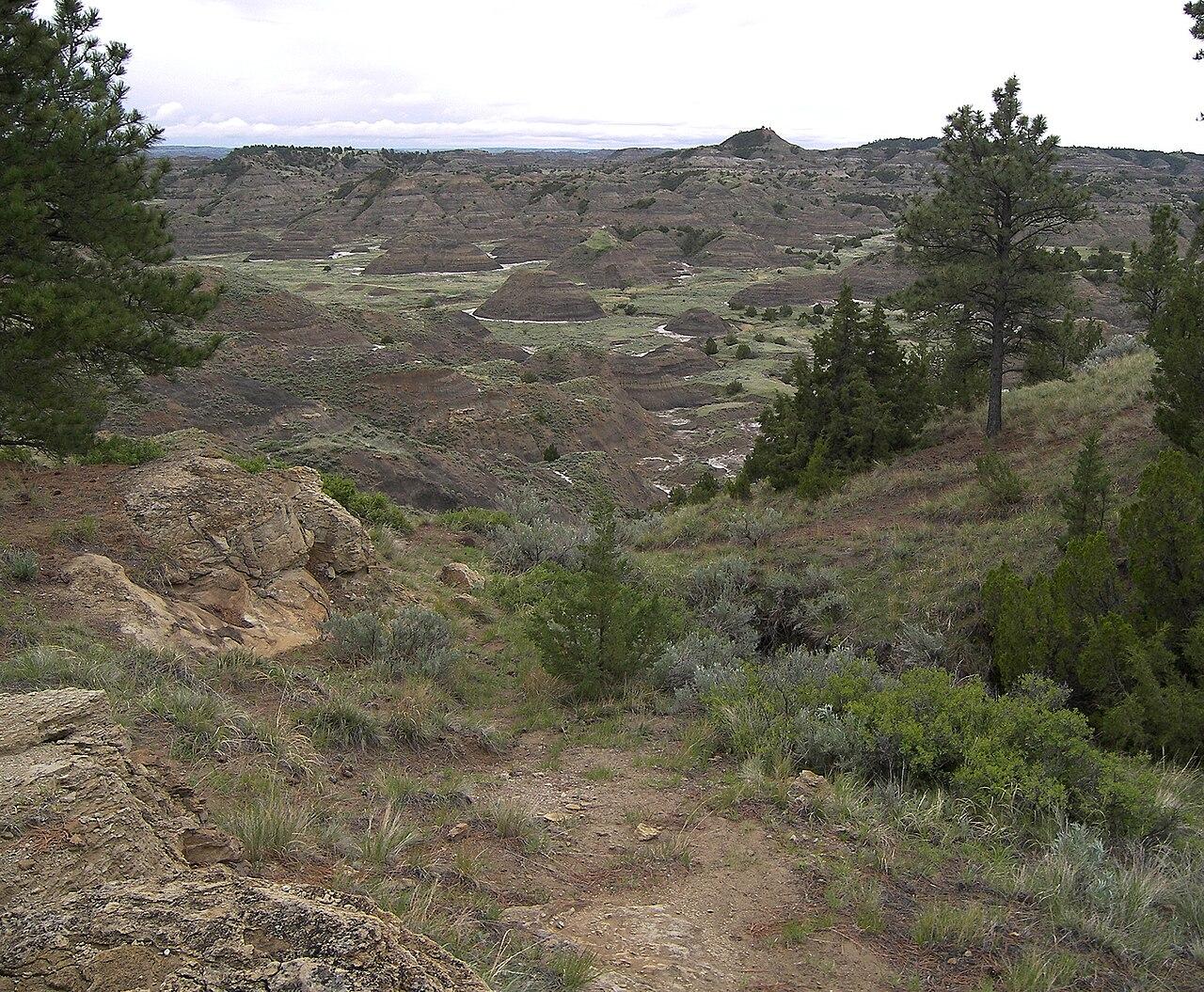
Terry Badlands

Today’s Forecast:
Show Alert Details & Instructions
Today’s Report:
Hiking
Not Recommended for hiking. High near 106°F. Low rain risk (18%). Light wind (6 mph). Extreme heat (high near 106°F). Slight chance of thunderstorms. Temperatures outside comfort limits (106°F).
- Temp: Unfavorable weather factor
- Rain: Favorable conditions
- Wind: Favorable conditions
- Heat: Unfavorable weather factor
- Thunderstorm: Marginal weather factor
- Alert: Unfavorable weather factor
Camping
Not Recommended for camping. High near 106°F. Low rain risk (18%). Light wind (6 mph). Extreme heat (high near 106°F). Slight chance of thunderstorms. Temperatures outside comfort limits (106°F).
- Temp: Unfavorable weather factor
- Rain: Favorable conditions
- Wind: Favorable conditions
- Heat: Unfavorable weather factor
- Thunderstorm: Marginal weather factor
- Alert: Unfavorable weather factor
Outdoor Events / Activities
Not Recommended for outdoor events / activities. High near 106°F. Low rain risk (18%). Light wind (6 mph). Extreme heat (high near 106°F). Slight chance of thunderstorms. Temperatures outside comfort limits (106°F).
- Temp: Unfavorable weather factor
- Rain: Favorable conditions
- Wind: Favorable conditions
- Heat: Unfavorable weather factor
- Thunderstorm: Marginal weather factor
About Terry Badlands
Terry Badlands is a Montana destination for remote badlands hiking, dispersed camping, scenic drives, and exposed prairie weather.
Make the Most of a Terry Badlands Day
Use the forecast to match the day’s route, launch, road access, and turnaround time to wind, precipitation, temperature, smoke, water conditions, and elevation. Keep a shorter or lower-elevation backup ready.
Weather Tips for Terry Badlands
- Check current access, alerts, fire restrictions, and local forecasts before setting out.
- Turn around before exposed ridges, overlooks, or open ground become unsafe in thunder, high wind, smoke, or poor visibility.
- Montana weather can shift quickly; carry layers, sun protection, water, and a reliable navigation plan.
- Allow extra daylight for remote roads, seasonal traffic, wildlife, and changing trail or shoreline conditions.
Nearby Towns and Areas
This page can also be useful when planning outdoor time near:
- Terry
- Calypso Trail
- Yellowstone River
- Fallon
- Makoshika State Park
Plan Around the Conditions
Choose the safest and most enjoyable version of a Terry Badlands day by matching the activity to current wind, precipitation, smoke, temperature, road access, trail surfaces, water conditions, and daylight.
7-Day Forecast for Terry Badlands
Terry Badlands Weather by Season
Winter
Winter around Terry Badlands can bring snow, ice, strong wind, short daylight, and abrupt cold. Check road, trail, campground, and facility access before leaving, and expect conditions to change sharply with elevation.
Spring
Spring is variable, with freeze-thaw cycles, mud, lingering mountain snow, rising water, and occasional late storms. Lower routes often open well before high-country roads and trails.
Summer
Summer generally offers the broadest access, but heat, afternoon thunderstorms, wildfire smoke, fire restrictions, gusty wind, and limited shade can alter plans. Start exposed outings early and carry more water than expected.
Fall
Fall brings cooler days, clearer periods, changing color, shorter daylight, and the possibility of early snow. Seasonal services can close before winter weather becomes continuous, so confirm local operations.
Key Climate Data Points
- Annual average temperature: around 43–47°F, using the relevant local and elevation context.
- Annual snowfall: commonly 25–45 inches, though wind redistribution and year-to-year swings are substantial.
- Warmest months: July and August are normally warmest.
- Coolest months: December and January are typically coolest.
- Wettest season: late spring and early summer often bring the most precipitation, with local mountain variation.
- Driest season: midsummer is often driest, although thunderstorms remain possible.
- Best outdoor window: June through September for the broadest access, with shoulder seasons useful at lower elevations.