
What to Do When Your Outdoor Plans Change
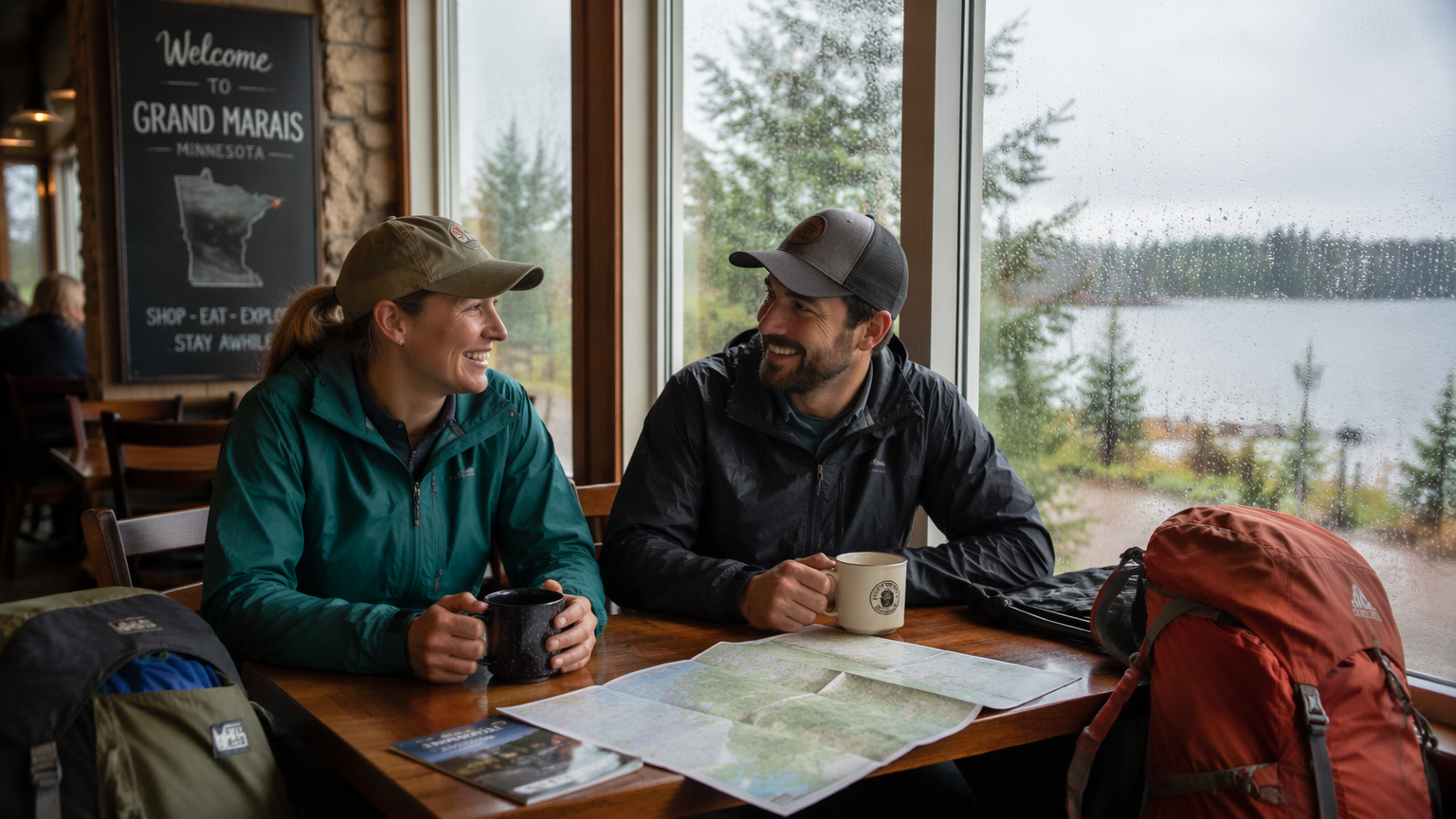
TL;DR: A changed forecast does not have to ruin an outdoor day. Check the timing of rain, wind, and alerts instead of relying on one weather icon. Try a two-part plan with an indoor stop first, keep a shorter outdoor option ready, and know when conditions mean it is smarter to fully change course. A little flexibility can turn a weather delay into part of the adventure.
You checked the forecast. You packed the car. Everyone is ready to hike, paddle, camp, golf, visit the beach, or spend the day exploring.
Then the weather changes.
Maybe storms move in earlier than expected. Maybe the wind picks up. Maybe it is much hotter than it looked that morning. Maybe the rain is not dangerous, but it is enough to make the original plan less fun.
That does not have to mean the whole day is ruined.
The best outdoor plans usually have a little flexibility built into them. A change in weather can become a chance to slow down, try something different, and still have a day worth remembering.
Start by Looking at the Timing, Not Just the Forecast Icon
A rain cloud on the forecast does not always mean it will rain all day.
Before canceling everything, take another look at the hourly forecast and any active weather alerts. A passing shower at 2:00 p.m. is very different from steady rain through the afternoon. A thunderstorm risk is different from a light drizzle. Wind matters a lot for a boat, kayak, beach day, or exposed hike, even when the temperature looks great.
Ask a few simple questions:
- Is this a short delay or a day-long change?
- Is there lightning, strong wind, or another reason to avoid being outside?
- Could we move the outdoor activity earlier or later?
- Is there a shorter version of the plan that still works?
- Is there a nearby indoor option while we wait for conditions to improve?
Sometimes the right move is not to cancel the day. It is just to change the order of the day.
Make a Two-Part Plan
A good weather-adjustment strategy is to break the day into two pieces.
Start with something that works right now, then keep the outdoor activity open for later.
For example, a family planning to hike in the afternoon could spend an hour or two at a local breakfast spot, museum, bookstore, arcade, visitor center, coffee shop, or indoor attraction while watching the weather. When the rain passes or temperatures improve, the hike can still happen.
This works especially well on weekend trips. You do not need to choose between “outdoor day” and “indoor day.” You can have both.
Choose an Indoor Activity That Does Not Feel Like Giving Up
The key is choosing a backup that feels like part of the adventure instead of a consolation prize.
Depending on where you are, that might mean:
- Visiting a local museum, nature center, aquarium, or historic site
- Finding an arcade, bowling alley, escape room, or indoor climbing gym
- Exploring local shops, galleries, bookstores, or an antique store
- Having a longer lunch somewhere you would normally rush through
- Stopping at an indoor market, brewery, winery, or restaurant with a view
- Letting kids burn off some energy at an indoor play space
- Playing a game together before trying the outdoor plan again
For families, this is also a good moment to keep a small travel-friendly activity in the car or hotel room. A card game, travel game, puzzle book, or something like OnYourMark can fill an hour without turning everyone into a screen zombie. Then, when the weather window opens, people are still ready to get outside.
Keep Checking, But Do Not Obsess Over It
Weather can change quickly, especially in spring and summer. It is smart to check for updates, but it is easy to spend too much of the day refreshing the forecast every five minutes.
Set a simple checkpoint instead.
For example:
- Check again in 30 minutes.
- Check after lunch.
- Check before leaving the indoor stop.
- Check before getting on the water, starting a longer trail, or heading somewhere exposed.
This keeps the group moving while still giving you a chance to make a better decision with newer information.
Have a Shorter Outdoor Version Ready
Not every change in conditions requires an all-or-nothing decision.
Maybe the original plan was a four-hour hike, but rain is possible later. A shorter trail, scenic overlook, boardwalk, lakeside walk, or quick stop at a state park may still fit the weather window.
Maybe a full kayak trip no longer makes sense because the wind is building. A shoreline walk, picnic, fishing from shore, or scenic drive might still be a great way to enjoy the water without committing to a longer paddle.
Maybe it is too hot for a long bike ride. An earlier, shorter ride followed by shade, lunch, or swimming may be the better version of the day.
The goal is not to force the original plan. It is to find the version of the plan that still matches the conditions.
Know When to Fully Change Course
Flexibility is good. Pushing through unsafe conditions is not.
Thunderstorms, lightning, strong winds, dangerous heat, poor air quality, flood conditions, rough water, and rapidly changing weather can turn a fun outing into a bad idea quickly.
When official alerts are active or conditions are clearly getting worse, it is okay to call it. There will be another hike, another paddle, another lake day, and another chance to get outside.
A good backup plan is not a failure. It is part of being prepared.
Make the Weather Part of the Adventure
Some of the best trips are the ones where the original plan changes.
You may find a favorite local restaurant because rain sent you inside. You may discover a small museum, scenic drive, coffee shop, or shop you would have otherwise skipped. You may wait out a shower and end up with a quieter trail, cooler temperatures, or a beautiful sunset afterward.
Outdoor plans do not need perfect weather. They just need a little awareness, a willingness to adjust, and a few good alternatives in your back pocket.
Before heading out, check the current conditions, look at the timing of rain and wind, and give yourself room to change the plan. You may still end up outside. You may just get there a little differently.
