
Oneida Lake
Today’s Forecast:
Today’s Report:
Boating
Use Caution for boating. High near 78°F. Low rain risk (28%). Slight chance of thunderstorms.
- Temp: Favorable conditions
- Rain: Favorable conditions
- Wind: Favorable conditions
- Thunderstorm: Marginal weather factor
Paddling
Use Caution for paddling. High near 78°F. Risk of rain later today (28%). Slight chance of thunderstorms.
- Temp: Favorable conditions
- Rain: Marginal weather factor
- Wind: Favorable conditions
- Thunderstorm: Marginal weather factor
Camping
Use Caution for camping. High near 78°F. Low rain risk (28%). Slight chance of thunderstorms.
- Temp: Marginal weather factor
- Rain: Favorable conditions
- Wind: Favorable conditions
- Thunderstorm: Marginal weather factor
Snowmobiling
Not Recommended for snowmobiling. High near 78°F. Low rain risk (28%). Extreme heat (high near 78°F). Slight chance of thunderstorms. Temperatures outside comfort limits (78°F).
- Temp: Unfavorable weather factor
- Rain: Favorable conditions
- Wind: Favorable conditions
- Heat: Unfavorable weather factor
- Thunderstorm: Marginal weather factor
About Oneida Lake
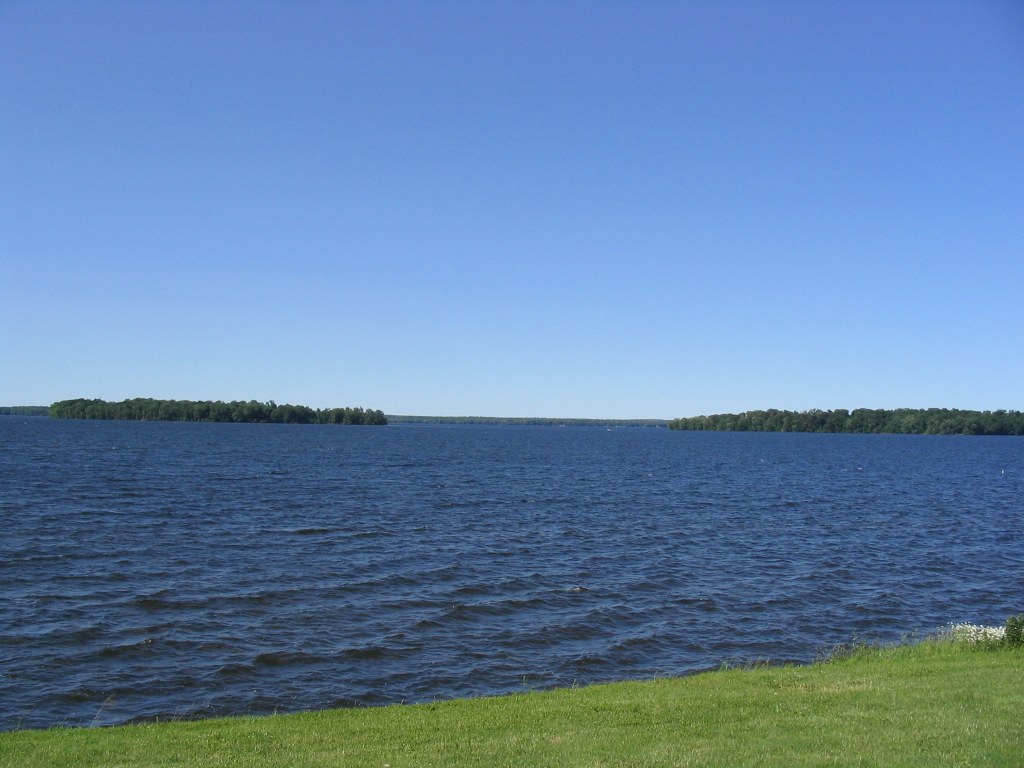
Oneida Lake is a New York destination for a major central New York lake with boating, camping, ice fishing, and snowmobile access.
Make the Most of an Oneida Lake Day
Match the route, launch, facility, or turnaround time to precipitation, wind, temperature, visibility, water conditions, snow or ice, and seasonal access. Keep a shorter or more sheltered alternative ready.
Weather Tips for Oneida Lake
- Check official access notices, alerts, trail or road conditions, and local forecasts before leaving.
- Check wind, waves, current, water temperature, ice reports, and lightning risk before launching or stepping onto frozen water; no forecast alone proves that ice is safe.
- Bring layers, water, navigation, sun protection, and traction or flotation appropriate to the season and activity.
- Allow extra time for traffic, limited winter daylight, lake-effect snow, freeze-thaw mud, and seasonal facility schedules.
Nearby Towns and Areas
This page can also be useful when planning outdoor time near:
- Sylvan Beach
- Verona Beach State Park
- Brewerton
- Cleveland
- Cicero
- Fish Creek
Plan Around the Conditions
Choose the safest version of an Oneida Lake day by matching the activity to current wind, precipitation, temperature, visibility, water or snow conditions, access, and daylight.
7-Day Forecast for Oneida Lake
Oneida Lake Weather by Season
Winter
Winter at Oneida Lake brings cold, shorter daylight, and periodic snow or ice. Snow and ice can support the listed winter activities, but conditions and access must be confirmed locally. Cold water, wind, waves, and rapidly changing shore conditions remain serious hazards.
Spring
Spring is changeable, with rain, mud, snowmelt, rising water, and lingering ice in shaded or elevated terrain. Lower routes and developed facilities generally become usable before exposed, backcountry, or high-elevation areas.
Summer
Summer usually provides the broadest access, but heat, humidity, thunderstorms, crowds, and occasional wildfire smoke can alter plans. Start exposed outings early and keep a weather-safe turnaround point.
Fall
Fall brings cooler air, foliage crowds, shorter daylight, and increasing wind. Early snow or ice can reach northern and elevated areas while lower valleys and coastal destinations remain milder.
Key Climate Data Points
- Annual average temperature: around 44–48°F, using the relevant local and elevation context.
- Annual snowfall: commonly 70–130 inches, with sharp lake-effect differences.
- Warmest months: July and August are normally warmest.
- Coolest months: January is typically coolest, with February similarly cold in northern and elevated areas.
- Wettest season: precipitation is distributed through the year, with late spring through summer often wettest from rain and thunderstorms.
- Driest season: no season is reliably dry statewide; early fall often provides the most stable outdoor windows.
- Best outdoor window: June through October for warm-season access, with midwinter best only where established winter recreation is supported.