Snowbird & Alta, UT

Today’s Forecast:
Today’s Report:
Hiking
Fair for hiking. High near 43°F. Risk of evening rain (54%). Light wind (9 mph).
- Temp: Marginal weather factor
- Rain: Marginal weather factor
- Wind: Favorable conditions
- Thunderstorm: Favorable conditions
Biking
Not Recommended for biking. High near 43°F. Rain forecast in the evening (54%). Light wind (9 mph). Temperatures outside comfort limits (43°F).
- Temp: Unfavorable weather factor
- Rain: Marginal weather factor
- Wind: Favorable conditions
- Thunderstorm: Favorable conditions
Outdoor Events / Activities
Not Recommended for outdoor events / activities. High near 43°F. Rain forecast later today (54%). Light wind (9 mph). Temperatures outside comfort limits (43°F).
- Temp: Unfavorable weather factor
- Rain: Marginal weather factor
- Wind: Favorable conditions
- Thunderstorm: Favorable conditions
Sledding / Snowshoeing
Fair for sledding / snowshoeing. High near 43°F. Risk of evening rain (54%). Light wind (9 mph).
- Temp: Marginal weather factor
- Rain: Marginal weather factor
- Wind: Favorable conditions
- Thunderstorm: Favorable conditions
About Snowbird & Alta
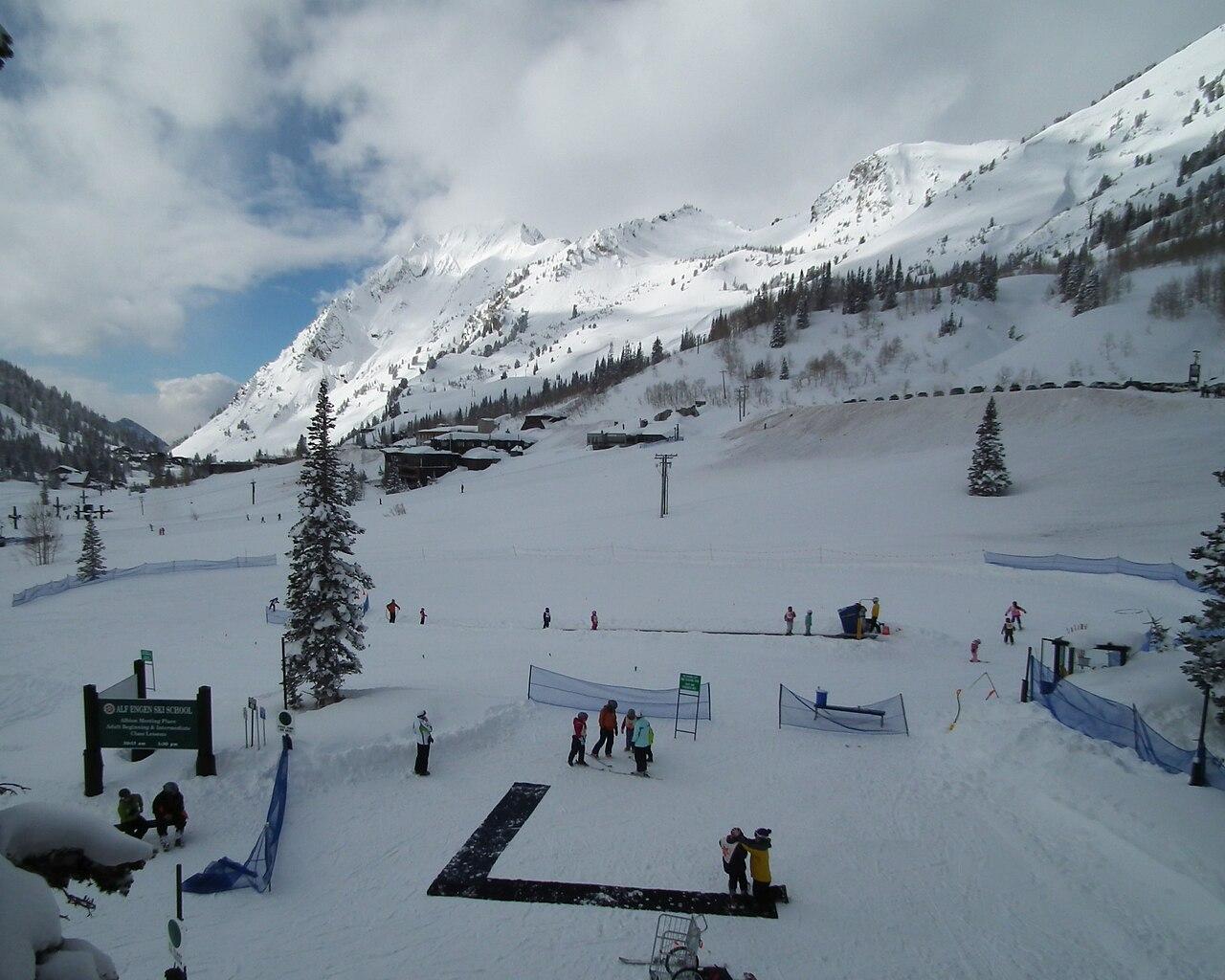
A useful forecast for Snowbird & Alta needs to account for terrain and access, not just the nearest town’s temperature. Conditions may differ between Albion Basin and White Pine Trailhead, so use the forecast for the exact part of the destination you plan to visit.
Planning an Outing at Snowbird & Alta
Build extra water, daylight, fuel, and travel time into remote plans, especially when storms, smoke, snow, or wind could slow the return. For this page, the main planning focus is hiking, biking, outdoor events; verify the approach toward Peruvian Gulch rather than assuming the entire region is operating normally.
Weather Tips for Snowbird & Alta
- Begin exposed high routes early enough to descend before afternoon thunderstorms or a fast cold front.
- Carry layers and traction when appropriate, and expect smoke or strong wind to reduce visibility even without precipitation.
- Compare valley, pass, and summit forecasts because elevation changes temperature, wind, visibility, precipitation, and lightning risk.
- Near Albion Basin, elevation and road exposure can produce conditions unlike those in the nearest valley forecast.
Nearby Towns and Areas
Use this forecast as practical context for outdoor plans near:
- Albion Basin
- Peruvian Gulch
- Gad Valley
- Cecret Lake
- State Route 210
- White Pine Trailhead
Adjust the Day to the Forecast
A lower, earlier, calmer, or more sheltered alternative can preserve the outing without forcing the original itinerary.
7-Day Forecast for Snowbird & Alta
Snowbird & Alta Weather by Season
Winter
Snow, ice, wind, and road controls can restrict access for days at a time. Winter activities should follow current resort, trail, avalanche-control, and transportation notices. Around Gad Valley, confirm local roads and facilities before committing to the day.
Spring
Warm valleys can coexist with deep snow, mud, high streams, and closed upper roads. Expect a long transition before summer trail conditions arrive. Around Cecret Lake, confirm local roads and facilities before committing to the day.
Summer
The broadest access usually comes in summer, but alpine lightning, cold lakes, mosquitoes, smoke, and sudden wind reward early starts. Around State Route 210, confirm local roads and facilities before committing to the day.
Fall
Clear air and cool trails often arrive in fall, followed quickly by hard freezes, shorter daylight, and the first lasting snow. Around White Pine Trailhead, confirm local roads and facilities before committing to the day.
Key Climate Data Points
- Annual average temperature: roughly 38–48°F at high elevations; local elevation and aspect create substantial variation.
- Annual snowfall: substantial at elevation, varying sharply with slope and exposure.
- Warmest months: July is generally warmest, moderated strongly by elevation.
- Coolest months: December and January are usually coolest.
- Wettest season: Winter and early spring bring much of the mountain precipitation, while southern and eastern Utah also receive summer monsoon moisture.
- Driest season: Late spring into early summer is commonly driest before monsoon influence develops.
- Best outdoor window: Late spring through early fall when high roads are open, adjusted for storms and smoke.