
Silver Springs State Park, FL
Today’s Forecast:
Show Alert Details & Instructions
🧐 Adventure Bingo Game
Download the outdoor adventure Bingo game to keep kids engaged in the outdoors.
Today’s Report:
Paddling
Use Caution for paddling. High near 85°F. Low rain risk (10%). Slight chance of thunderstorms.
- Temp: Favorable conditions
- Rain: Favorable conditions
- Wind: Favorable conditions
- Thunderstorm: Marginal weather factor
Hiking
Not Recommended for hiking. High near 85°F. Low rain risk (10%). Slight chance of thunderstorms.
- Temp: Marginal weather factor
- Rain: Favorable conditions
- Wind: Favorable conditions
- Thunderstorm: Marginal weather factor
- Alert: Unfavorable weather factor
Camping
Not Recommended for camping. High near 85°F. Low rain risk (10%). Slight chance of thunderstorms.
- Temp: Marginal weather factor
- Rain: Favorable conditions
- Wind: Favorable conditions
- Thunderstorm: Marginal weather factor
- Alert: Unfavorable weather factor
Outdoor Events / Activities
Use Caution for outdoor events / activities. High near 85°F. Low rain risk (10%). Slight chance of thunderstorms.
- Temp: Marginal weather factor
- Rain: Favorable conditions
- Wind: Favorable conditions
- Thunderstorm: Marginal weather factor
About Silver Springs State Park
The forecast point for Silver Springs State Park represents conditions near Ocala, while exposed water, beaches, wetlands, courses, or remote access within the coverage area may differ. The day’s key decisions involve spring flow, river stage, water clarity, capacity limits, and launch rules.
Planning an Outing at Silver Springs State Park
Check spring flow, river stage, water clarity, capacity limits, and launch rules for the exact access point and activity—not just the nearest city forecast. Confirm current park, refuge, marina, ramp, ferry, road, bridge, course, or operator notices that apply to Silver Springs State Park, and preserve enough daylight and shelter margin to change plans.
Weather Tips for Silver Springs State Park
- Watch heat index and radar; Florida lightning can develop before heavy rain reaches the destination.
- Verify water level, trail or road status, crowd capacity, and any activity-specific closure before traveling.
- Inland tropical systems can bring prolonged rain, flash flooding, damaging wind, outages, fallen trees, and closures without direct coastal storm surge.
- Check conditions near Fort King shortly before the activity starts.
- Use sun protection, hydration, insect protection, and a reliable lightning shelter.
Nearby Towns and Areas
Use this forecast as practical context for outdoor plans near:
- Ocala
- Silver River
- Fort King
- Silver Springs Shores
- Ocala National Forest
- Ocklawaha River
- Santos Trailhead
Adjust the Day to the Forecast
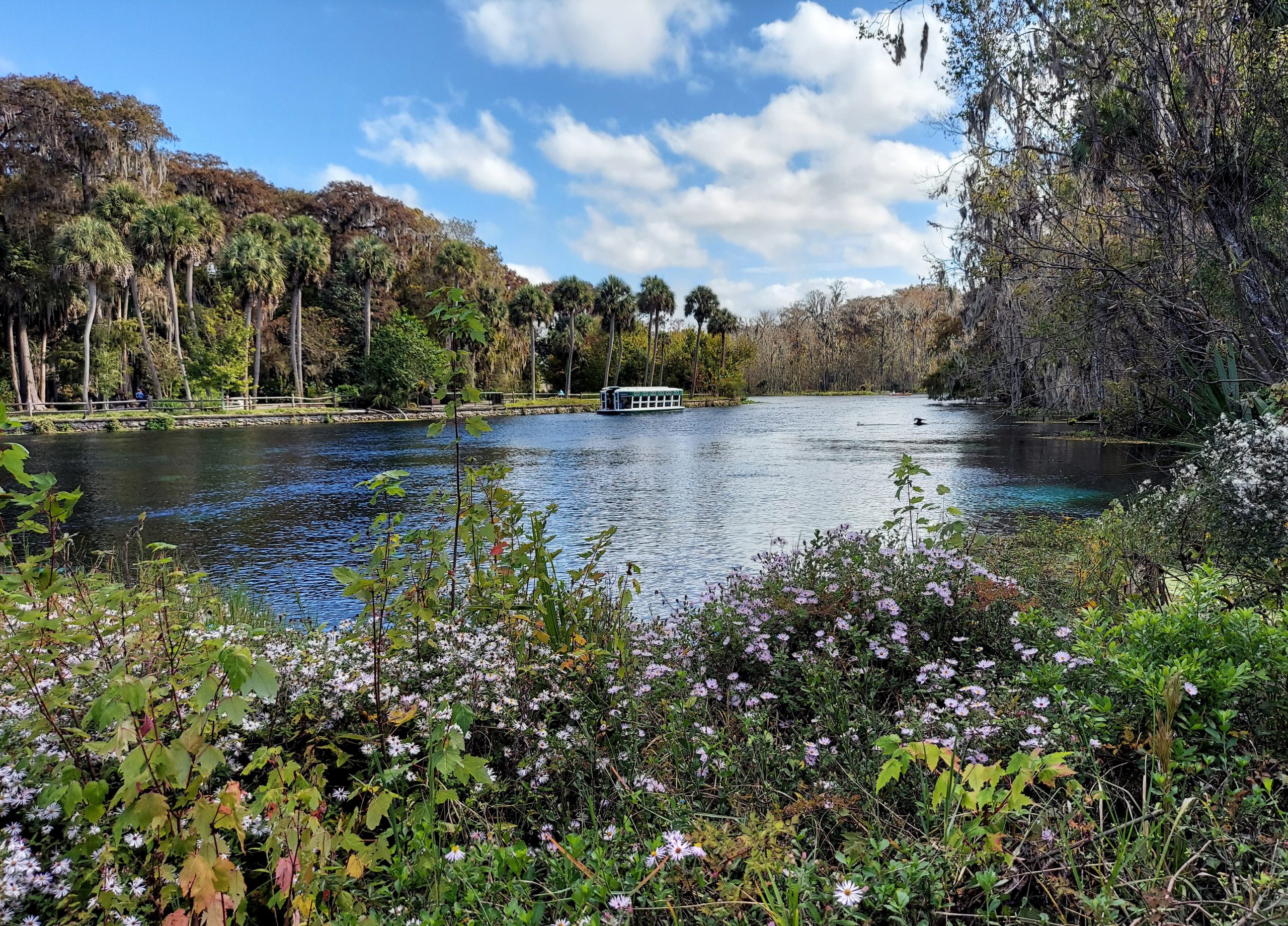
Choose the shaded park trails or a shorter glass-bottom-boat window when storms, heat, or river conditions make a long Silver River outing unwise.
7-Day Forecast for Silver Springs State Park
Silver Springs State Park Weather by Season
Winter
Cold fronts can cool spring runs and produce fog even while water temperature changes little. For paddling near Ocala, check the destination-specific forecast and operating notice before committing.
Spring
Late-dry-season crowds, capacity, clarity, and gradually increasing storms define the spring-run window. For hiking near Silver River, check the destination-specific forecast and operating notice before committing.
Summer
High visitation, heat, lightning, and heavy rain make reservations and an early launch essential around the spring. For camping near Fort King, check the destination-specific forecast and operating notice before committing.
Fall
Warm wet-season conditions persist early, then lower humidity and clearer water may return behind later fronts. For outdoor events near Silver Springs Shores, check the destination-specific forecast and operating notice before committing.
Key Climate Data Points
- Annual average temperature: roughly 68–73°F across North Florida and the Panhandle.
- Annual snowfall: measurable snowfall is rare to essentially absent, though North Florida can experience freezes and occasional wintry precipitation.
- Warmest months: July and August are generally hottest, with heat index often more important than air temperature.
- Coolest months: January is usually coolest; passing cold fronts can create abrupt wind and temperature changes.
- Wettest season: Summer and early fall usually bring the most rain, thunderstorms, and tropical moisture.
- Driest season: Late fall through spring is generally drier, with regional drought and wildfire concerns possible.
- Best outdoor window: Late fall through spring often offers lower humidity; warm-season plans benefit from early starts and storm flexibility.