
Toadstool Geologic Park & Oglala National Grassland, NE
Today’s Forecast:
🧐 Adventure Bingo Game
Download the outdoor adventure Bingo game to keep kids engaged in the outdoors.
Today’s Report:
Hiking
Use Caution for hiking. High near 75°F. Risk of evening rain (40%). Light wind (15 mph). Thunderstorms forecast later today.
- Temp: Favorable conditions
- Rain: Marginal weather factor
- Wind: Favorable conditions
- Thunderstorm: Marginal weather factor
Biking
Use Caution for biking. High near 75°F. Risk of evening rain (40%). Breezy winds (15 mph). Thunderstorms forecast later today.
- Temp: Favorable conditions
- Rain: Marginal weather factor
- Wind: Marginal weather factor
- Thunderstorm: Marginal weather factor
Camping
Use Caution for camping. High near 75°F. Risk of rain later today (40%). Breezy winds (15 mph). Thunderstorms forecast later today.
- Temp: Favorable conditions
- Rain: Marginal weather factor
- Wind: Marginal weather factor
- Thunderstorm: Marginal weather factor
Outdoor Events / Activities
Use Caution for outdoor events / activities. High near 75°F. Risk of rain later today (40%). Breezy winds (15 mph). Thunderstorms forecast later today.
- Temp: Favorable conditions
- Rain: Marginal weather factor
- Wind: Marginal weather factor
- Thunderstorm: Marginal weather factor
About Toadstool Geologic Park & Oglala National Grassland
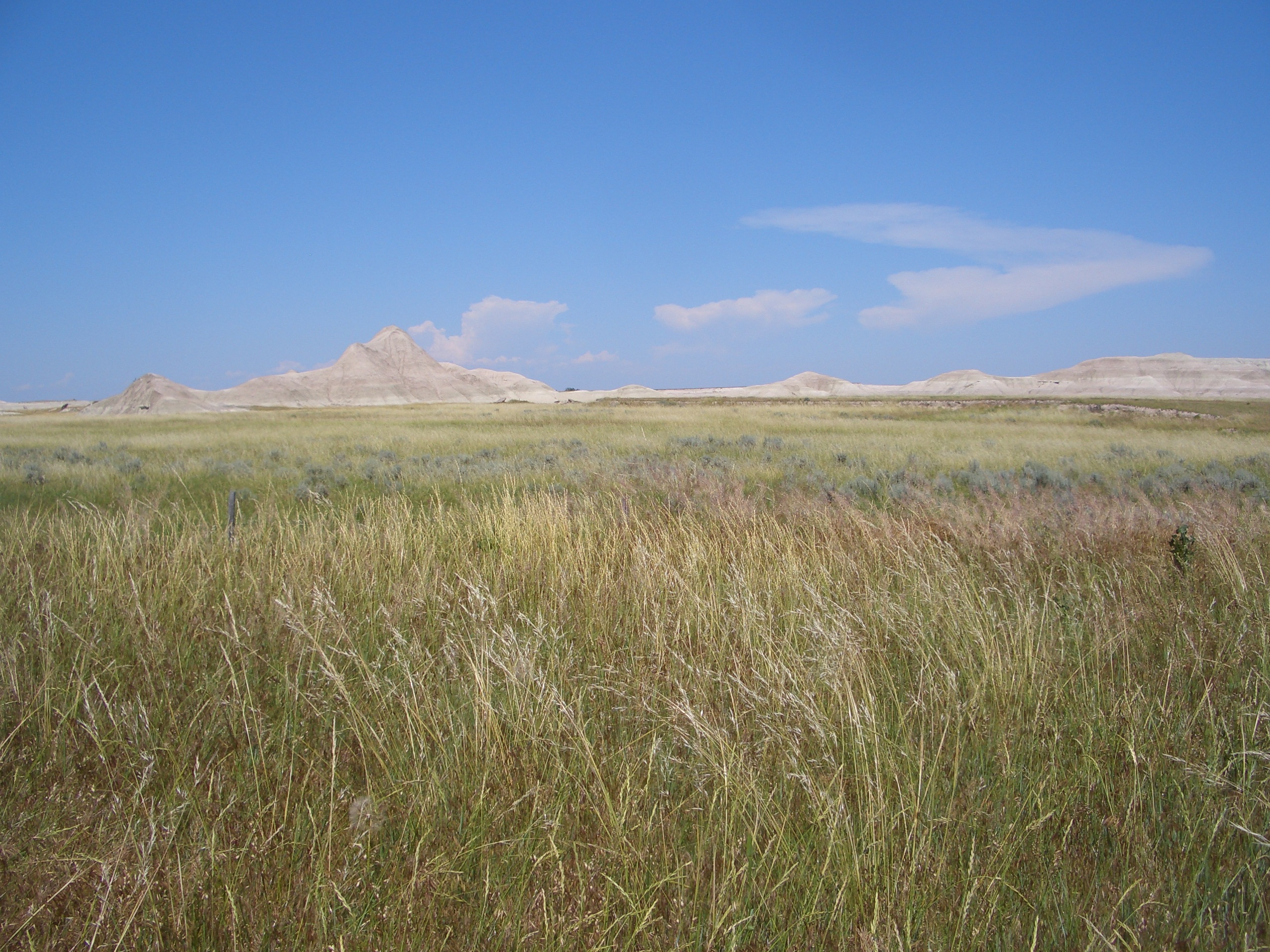
Toadstool Geologic Park & Oglala National Grassland is a Nebraska destination for a remote badlands, fossil-trail, campground, and national-grassland landscape.
Make the Most of a Toadstool Geologic Park & Oglala National Grassland Day
Match the route, launch, campground, facility, or turnaround time to wind, severe-weather potential, temperature, water, smoke, road access, and daylight. Keep a shorter or more sheltered backup ready.
Weather Tips for Toadstool Geologic Park & Oglala National Grassland
- Check official park, refuge, river, road, fire, and facility notices before leaving.
- Turn around before exposed prairie, bluff, forest, or badlands terrain becomes unsafe in lightning, hail, heat, smoke, high wind, or poor visibility.
- Expect fast-changing thunderstorms, lightning, hail, and powerful wind during Nebraska’s severe-weather season.
- Carry water, sun protection, layers, navigation, and seasonal traction or flotation appropriate to the activity.
Nearby Towns and Areas
This page can also be useful when planning outdoor time near:
- Crawford
- Hudson-Meng Education Center
- Oglala National Grassland
- Fort Robinson
- Hat Creek
- Pine Ridge
Plan Around the Conditions
Choose the safest version of a Toadstool Geologic Park & Oglala National Grassland day by matching the activity to current wind, precipitation, temperature, water or snow conditions, access, and daylight.
7-Day Forecast for Toadstool Geologic Park & Oglala National Grassland
Toadstool Geologic Park & Oglala National Grassland Weather by Season
Winter
Winter brings cold snaps, wind chill, snow, and icy roads around Toadstool Geologic Park & Oglala National Grassland. Services may be reduced, and exposed trails or rural roads can become icy even when snow cover is limited.
Spring
Spring at Toadstool Geologic Park & Oglala National Grassland is changeable, with strong wind, thunderstorms, muddy access, and rapid temperature swings. Trails and unpaved roads can remain soft after rain or late snow.
Summer
Summer at Toadstool Geologic Park & Oglala National Grassland brings the broadest access, along with heat, lightning, hail, severe storms, and intense sun. Start exposed outings early and keep a storm-safe retreat within reach. Carry extra water and fuel because services are limited.
Fall
Fall at Toadstool Geologic Park & Oglala National Grassland usually offers cooler air and fewer insects, but daylight shortens quickly and early freezes are possible. Account for hunting seasons, fire danger, remote-road conditions, and sudden Panhandle or Sandhills snow.
Key Climate Data Points
- Annual average temperature: about 47–51°F using the nearest practical regional climate context.
- Annual snowfall: often 30–45 inches, with upslope storms, drifting, and rapid melt.
- Warmest months: July and August are normally warmest.
- Coolest months: December and January are typically coolest.
- Wettest season: late spring and early summer usually bring the most precipitation and severe-storm exposure.
- Driest season: late fall and winter are generally driest, though snow and upslope events vary by region.
- Best outdoor window: May through October for the main warm-season activities.