
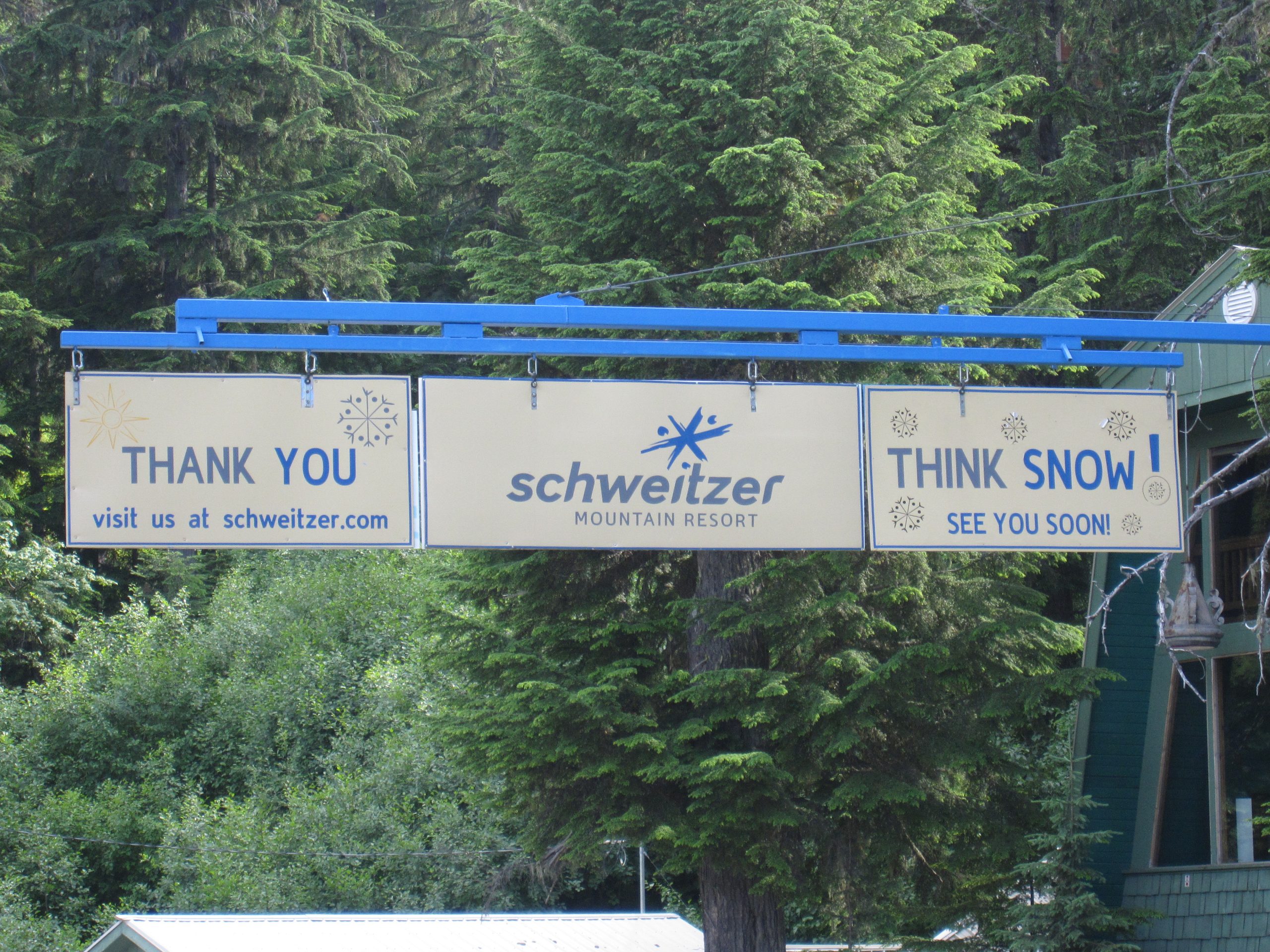
Schweitzer Mountain, ID
Today’s Forecast:
🧐 Adventure Bingo Game
Download the outdoor adventure Bingo game to keep kids engaged in the outdoors.
Today’s Report:
Hiking
Excellent for hiking. High near 50°F. Light wind (10 mph).
- Temp: Marginal weather factor
- Rain: Favorable conditions
- Wind: Favorable conditions
- Thunderstorm: Favorable conditions
Biking
Good for biking. High near 50°F. Light wind (10 mph).
- Temp: Marginal weather factor
- Rain: Favorable conditions
- Wind: Favorable conditions
- Thunderstorm: Favorable conditions
Outdoor Events / Activities
Good for outdoor events / activities. High near 50°F. Light wind (10 mph).
- Temp: Marginal weather factor
- Rain: Favorable conditions
- Wind: Favorable conditions
- Thunderstorm: Favorable conditions
Downhill Skiing / Snowboarding
Use Caution for downhill skiing / snowboarding. High near 50°F. Light wind (10 mph). Hot temperatures (high near 50°F).
- Temp: Favorable conditions
- Rain: Favorable conditions
- Wind: Favorable conditions
- Heat: Marginal weather factor
- Thunderstorm: Favorable conditions
About Schweitzer Mountain
Schweitzer Mountain is an Idaho destination for a major downhill ski and four-season mountain destination.
Make the Most of a Schweitzer Mountain Day
Match the route, launch, facility, or turnaround time to wind, precipitation, temperature, smoke, water, snow, road access, and daylight. Keep a shorter or more sheltered backup ready.
Weather Tips for Schweitzer Mountain
- Check official access notices, alerts, road or trail conditions, fire restrictions, and local forecasts before leaving.
- Turn around before exposed ridges, canyon rims, dunes, or open ground become unsafe in lightning, heat, smoke, wind, or poor visibility.
- Carry layers, water, navigation, sun protection, and seasonal traction or flotation appropriate to the activity.
- Allow extra time for remote roads, mountain passes, wildfire smoke, spring runoff, and limited winter daylight.
Nearby Towns and Areas
This page can also be useful when planning outdoor time near:
- Sandpoint
- Selkirk Mountains
- Colburn
- Lake Pend Oreille
- Priest River
Plan Around the Conditions
Choose the safest version of a Schweitzer Mountain day by matching the activity to current wind, precipitation, temperature, smoke, water or snow conditions, access, and daylight.
7-Day Forecast for Schweitzer Mountain
Schweitzer Mountain Weather by Season
Winter
Winter at Schweitzer Mountain can bring snow, ice, wind, short daylight, and rapidly changing road or trail access. Confirm grooming, avalanche information, ice conditions, and facility operations for the listed winter activities.
Spring
Spring brings freeze-thaw mud, snowmelt, high rivers, cold water, and lingering mountain snow. Lower routes usually open well before high passes and backcountry trailheads.
Summer
Summer usually offers the broadest access, but dry heat, thunderstorms, lightning, wildfire smoke, fire restrictions, reservoir wind, and cold mountain water can alter plans.
Fall
Fall brings cooler air, shorter daylight, hunting-season awareness, and early snow at elevation. Confirm seasonal services and allow extra travel time on remote roads.
Key Climate Data Points
- Annual average temperature: around 34–42°F in nearby valleys and colder on the mountain, using the relevant local and elevation context.
- Annual snowfall: often 100–250+ inches at ski elevations, with wind and elevation creating major variation.
- Warmest months: July and August are normally warmest.
- Coolest months: December and January are typically coolest.
- Wettest season: winter and spring usually provide the greatest mountain precipitation, with local variation.
- Driest season: midsummer is generally driest, despite isolated thunderstorms.
- Best outdoor window: June through October for warm-season access, with midwinter best at established winter destinations.